


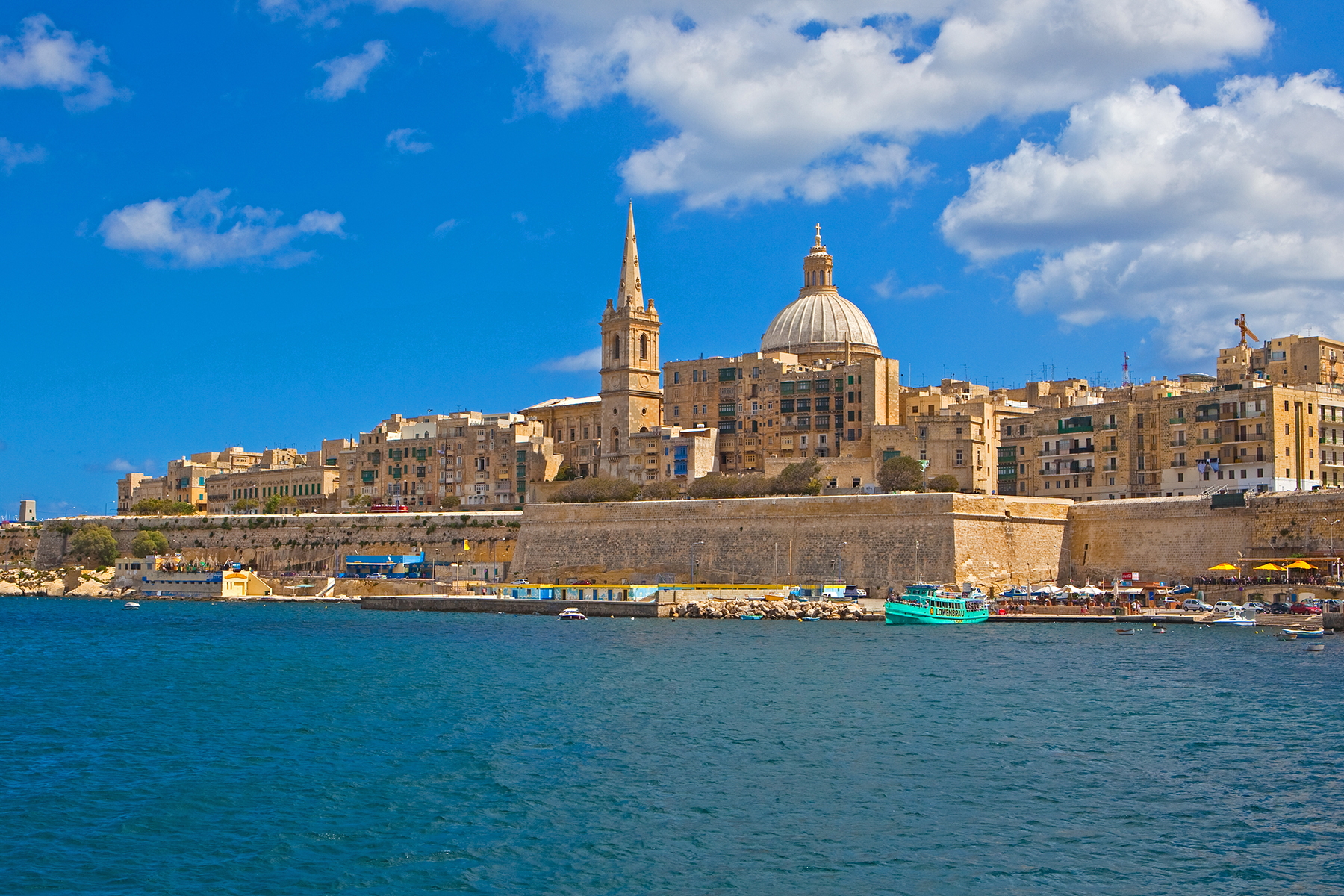
If you are looking for an affordable European degree in an English-speaking country, a Mediterranean lifestyle, and a clear gateway into the Schengen Area, Malta is an exceptional choice. Located in Southern Europe, Malta combines UK-aligned academic standards with affordable tuition fees, vibrant job markets, and accessible post-study pathways.
This comprehensive master guide walks you through everything you need to know about pursuing higher education in Malta—from initial planning to landing your job after graduation.
Choosing Malta for your higher education offers several distinct advantages in terms of return on investment:
Official English-Speaking Country: English is an official language in Malta, meaning all university courses, visa processes, and daily communications are entirely in English.
Schengen Area Access: As a European Union and Schengen member state, studying in Malta allows you to travel freely across 29 Schengen countries.
UK Quality Education: Maltese higher education follows the British education framework, offering globally recognized degrees at a fraction of UK costs.
Booming Economy: Malta boasts one of the lowest unemployment rates in Europe, with strong demand in iGaming, IT, Tourism, Finance, and Healthcare.
Maltese higher education follows standard European (ECTS) and UK academic guidelines.
Academic Qualifications
English Proficiency & Medium of Instruction
IELTS / TOEFL: IELTS 5.5 to 6.0 for Bachelor’s; 6.0 to 6.5 for Master’s.
MOI (Medium of Instruction): Many Maltese institutions accept an MOI certificate if your prior education was entirely in English.
Alternative Tests: PTE and Duolingo English Test (DET) are also accepted by several private colleges and universities.
Malta offers multiple intakes throughout the year, with major intakes in October/November and February/March.
Application Strategy
Start your preparation 5 to 6 months in advance to account for university processing, offer letter issuance, and visa appointment slots.
Essential Application Checklist
Malta provides an unbeatable combination of European living standards and budget-friendly costs.
Average Tuition Fees
Average Tuition Fees
Undergraduate & Master’s (IT, Business, Engineering): €2,000 – €4,000 per year.
Medical & Dental Studies: €5,000 – €8,000 per year (Romania is famous across Europe for top-quality medical faculties).
Living Expenses
Living expenses in Malta are lower than in Western European capitals. You should budget approximately €600 to €800 per month to cover shared accommodation, groceries, public transport, and health insurance.
Key Scholarships
International students from non-EU countries require a National Long-Stay Visa (Type D) followed by an e-Residence Card (TRP) upon arrival.
Crucial Visa Documents
Official Acceptance Letter & Receipt of Tuition Payment from a licensed Maltese institution.
Proof of Financial Solvency: Bank statement showing at least €25 to €30 per day for the duration of the stay (approx. €8,000 to €10,000 for 1 year).
Proof of Accommodation: Verified hotel booking, lease agreement, or dormitory confirmation in Malta.
Police Clearance Certificate: Legalized and translated as required.
Health Insurance: Comprehensive international medical insurance with minimum €30,000 coverage.
Apply for Your e-Residence Card: Submit your application at Identità (formerly Identity Malta) within your first 90 days to receive your official residence card.
Obtain a Social Security Number & Tax Number: Required before starting any part-time employment in Malta.
Open a Bank Account: Set up an account with local banks (e.g., BOV, HSBC Malta) or digital options like Revolut/Wise.
Part-Time Work During Studies: International students can work up to 20 hours per week after completing 90 days of study in Malta, subject to obtaining an Jobsplus work license.
Part-Time Job Opportunities: Abundant opportunities exist in hospitality, customer support, retail, event management, and administration.
Post-Study Work Visa: Graduates from accredited Maltese institutions can apply for a 9-month post-study visa to look for employment.
Long-Term Employment & Residency: Securing a full-time contract allows your employer to apply for a Single Permit (Work & Residence), setting you on a path to long-term European residency.
Studying in Malta is an accessible, English-medium pathway into European education and the Schengen job market. By securing your university admission early, preparing solid financial proofs, and leveraging the booming service and tech industries, you can maximize your study investment and build a successful international career.
“otherspassport.com” is a privately owned website and is not an official government entity. It has no affiliation with the Department of Passports, immigration authorities, or any foreign embassy or diplomatic mission. Furthermore, we are not legal advisors.