


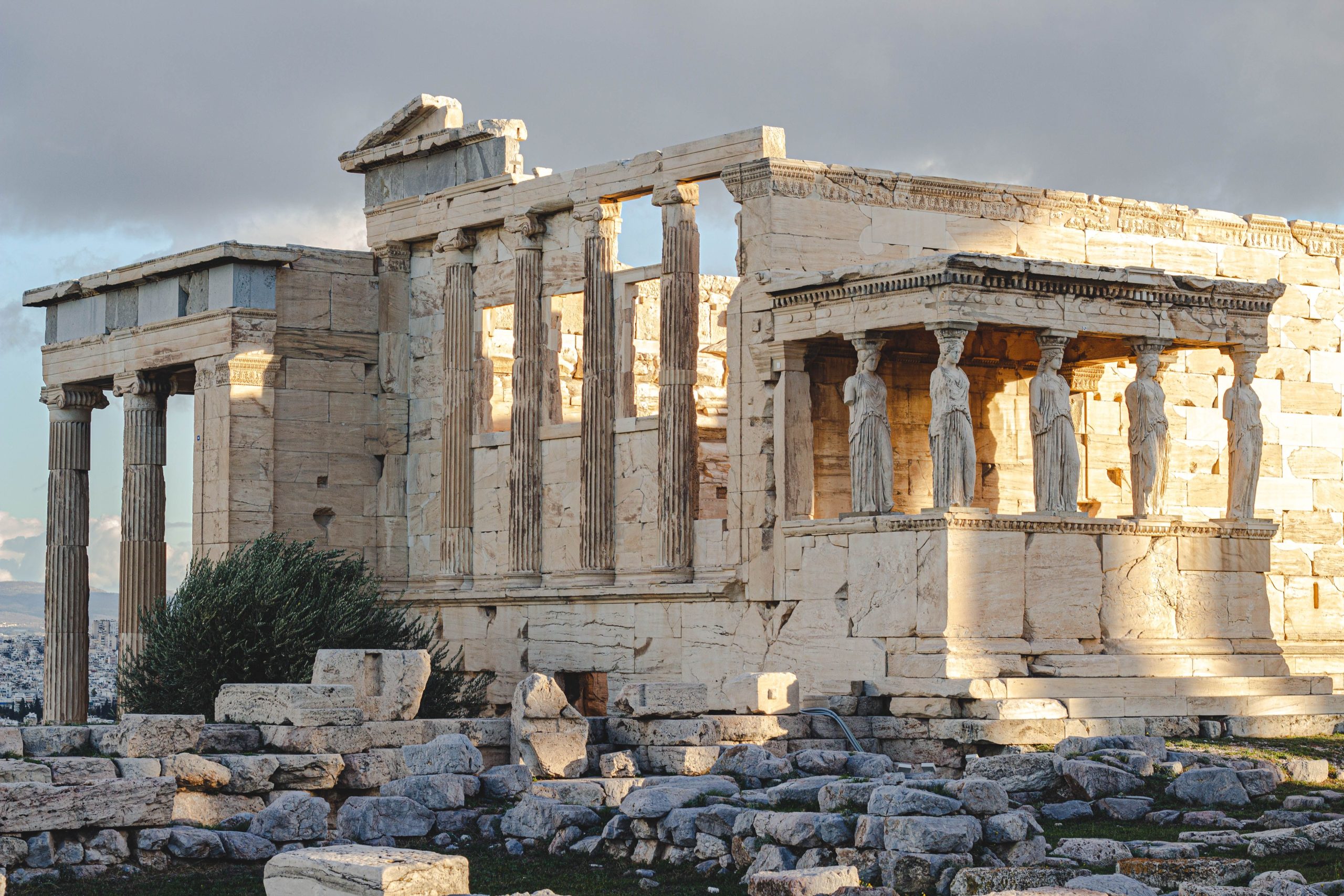
Greece is no longer just a Mediterranean holiday destination; it has rapidly transformed into an attractive European hub for higher education. Combining centuries of academic legacy with modern English-taught degree programs, affordable tuition fees, and a low cost of living, Greece offers international students a strategic gateway into the European Union.
When planning your higher education abroad, Greece provides several distinct competitive advantages:
Affordable European Degree: Tuition fees and living expenses in Greece are significantly lower than in Western European countries like the UK, Ireland, or Germany.
Schengen Area Access: Studying in Greece gives you a Student Residence Permit, allowing visa-free travel across all 29 Schengen member countries.
Growing English-Taught Programs: Top Greek public and private universities now offer fully English-medium Bachelor’s and Master’s degrees, especially in Business, Maritime Studies, History, Tech, and Medicine.
Gateway to the Mediterranean Career Market: Greece is a global powerhouse in Maritime Shipping, Tourism, Renewable Energy, and Logistics, creating unique internship and employment avenues.
Academic Qualifications
Undergraduate (Bachelor’s): Higher Secondary Certificate (HSC) / A-Levels with a strong GPA (minimum 60%+ or equivalent).
Postgraduate (Master’s): A relevant Bachelor’s degree from a recognized university with a CGPA of 2.75–3.00 or higher.
English Language Proficiency
Although some private colleges offer internal English assessments, standardized tests are standard for public universities:
IELTS: 6.0 for Bachelor’s; 6.5 for Master’s.
Alternative Tests: TOEFL iBT (80+) and Duolingo English Test (DET 105–115) are widely accepted by private universities and affiliated international institutions.
The main academic intake in Greece starts in September/October, though many private universities also offer a secondary intake in January/February.
Essential Application Checklist
Statement of Purpose (SOP): Highlighting your motivation, academic fit, and future career plans.
Letters of Recommendation (LORs): Two academic or professional references.
Europass CV: Structured, concise, and professional.
Language Proficiency Scorecard.
Valid Passport (minimum 1-year validity).
Greece is one of the most budget-friendly study destinations in the EU.
Average Tuition Fees
Public Universities (Non-EU Students): €1,500 – €4,000 per year (for undergraduate/postgraduate English programs).
Private Colleges / Business Schools: €6,000 – €12,000 per year.
Living Expenses
A realistic monthly budget ranges from €500 to €800 (covering accommodation, food, public transport, and health insurance), depending on whether you stay in Athens, Thessaloniki, or smaller university cities.
Scholarships
State Scholarships Foundation (IKY): Offers government-backed grants and stipends for international students.
Institutional Discounts: Merit-based tuition fee reductions (15% to 50%) offered by private and semi-private institutions.
Non-EU students must apply for a Long-Stay Student Visa (Type D) through the Greek Embassy or VFS Global.
Key Visa Requirements
Official Acceptance Letter from the Greek university/educational institution.
Proof of Tuition Fee Payment.
Financial Proof: Evidence of sufficient funds to cover living expenses (typically €400–€500 per month or a bank balance showing around €6,000 for the year).
Medical Fitness Certificate & Private Health Insurance: Medical check-up clearance and insurance covering emergency care in Greece.
Police Clearance Certificate.
Apply for a Residence Permit (Residence Card): Submit your residence application online through the Ministry of Migration and Asylum portal shortly after arrival.
Obtain an AFM (Tax Number) & AMKA (Social Security Number): Necessary for signing rental contracts, opening bank accounts, and legal part-time employment.
Open a Local Bank Account: Required for managing funds and renewing your annual student permit.
Part-Time Work Rights: International students on a valid student residence permit are allowed to work up to 20 hours per week during term time and full-time during official semester breaks.
Key Job Sectors: Part-time opportunities are widely available in Tourism, Hospitality, Customer Support Centers (e.g., Teleperformance, Concentrix), and English Tutoring.
Post-Study Transition: Upon completing your studies, graduates can transition to a Work Permit if they secure a full-time employment contract from a Greek company, opening a path toward long-term EU residency.
Studying in Greece offers a cost-effective European degree, a Mediterranean lifestyle, and access to the broader EU job market. By preparing your documents early and targeting growth industries, you can maximize your ROI and build a successful international career.
Are you ready?Let's go.